As a dietitian working with women diagnosed with endometriosis, I see firsthand how chronic pain, digestive issues, and fertility concerns deeply affect daily life. One of the most common questions I’m asked is:
“Can what I eat really make a difference to my endo symptoms?”
It’s a powerful question and the answer is becoming increasingly nuanced as more research emerges. A recent large-scale international survey published in JAMA Network Open explored just that, and the findings are worth discussing.
Understanding Endometriosis
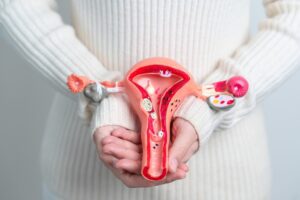
Endometriosis is a complex and chronic inflammatory condition where tissue similar to the uterine lining grows outside the uterus often on the ovaries, fallopian tubes, and surrounding pelvic structures. Estrogen can stimulate these lesions, exacerbating symptoms and potentially impacting fertility.
Endometriosis May Affect:
- Egg quality
- Fallopian tube function
- Implantation success
Around 30–50% of individuals with endometriosis experience infertility, and 30% only receive a diagnosis after encountering difficulties conceiving.
While laparoscopic surgery remains a key tool for diagnosis and management, nutrition and lifestyle support are becoming increasingly relevant, especially for those navigating daily symptoms or preparing for conception.

The Latest Study on Diet and Endometriosis Pain
A team of researchers set out to explore whether dietary changes and supplements were helping individuals with endometriosis manage their pain. With nearly 2,400 participants, it’s one of the largest international surveys on the topic to date.
Key Study Details:
- Participants: 2,388 people with diagnosed endometriosis
- Age range: 16 to 71 years (average age: 35.4)
- Location: Primarily Europe and Oceania
- Diet changes tried: 84%
- Supplement use: 59%
Most Common Dietary Changes:
Dietary Change | Reported Pain Improvement |
Reduced alcohol | 53.2% |
Reduced gluten | 45.4% |
Reduced dairy | 45.2% |
Reduced caffeine | 43.4% |
Less common changes included adopting a low FODMAP, Mediterranean, vegan, or keto approach. When it came to supplements, magnesium had the most reported benefit, with about one-third of users noticing pain relief.
My Perspective as a Dietitian Specialising in Endometriosis
What’s Encouraging:
- It’s promising to see such a large study focused on real-life dietary choices.
- The findings reflect what I hear from my patients many feel compelled to try food-based strategies for symptom control.
- It helps start a larger conversation about individualised nutrition in managing endo.
But Let’s Be Mindful of the Limitations:
1. Self-reported diets are imprecise:
Without professional guidance, what one person calls “dairy-free” might still include daily cheese or hidden lactose in sauces.
2. Retrospective symptom recall introduces bias:
Participants relied on memory to describe their pain levels, which can distort data.
3. Not everyone improved:
Around 50% of people didn’t report pain relief, highlighting the need for personalised rather than universal dietary advice.
4. Diet culture risks:
A concerning trend is emerging many people with endo feel pressured to follow highly restrictive diets, which can fuel disordered eating.
A 2023 review (Panariello et al., 2023) flagged that overly exclusionary approaches (e.g., gluten-free, dairy-free, sugar-free) can do more harm than good when they compromise nutrition and food relationships.
Where Should You Start With Endometriosis Nutrition?
Rather than jumping into restrictive diets, here’s where I often start with my patients:
1. Fibre: A Key Hormonal Helper
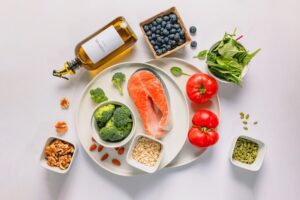
Fibre supports estrogen clearance through the gut an essential process for managing endo-related inflammation.
Sources to try:
- Wholegrains (e.g., oats, brown rice)
- Flaxseeds & chia seeds
- Psyllium husk (go slow & hydrate)
- Fruits & vegetables
2. Antioxidants: Inflammation Fighters
Oxidative stress tends to be higher in endometriosis. Antioxidants can help reduce inflammation and cellular stress.
Add more:
- Colourful fruits & veggies (think berries, capsicum, spinach)
- Vitamin E from seeds & nuts
- Extra virgin olive oil
Vitamin C & E supplementation has been studied, but I always advocate for a food-first foundation.
3. Omega-3s: Natural Anti-Inflammatories
Omega-3 fats help reduce inflammatory mediators and support egg health.
Prioritise:
- Oily fish (sardines, salmon, mackerel)
- Walnuts, chia & flaxseeds
Avoid or limit:
- Trans fats (e.g., fried foods, pastries)
- Processed meats (e.g., salami, bacon)
Personalised Nutrition Is the Missing Piece
This study reaffirms what many of us in clinical practice already know: there’s no one-size-fits-all diet for endometriosis.
Symptom triggers, tolerance levels, and food relationships vary widely. That’s why working with a registered dietitian with experience in endometriosis is key. Together, we can:
- Track your symptom patterns
- Identify unique food triggers
- Build a diet that supports symptom management, gut health, and reproductive goals without causing unnecessary stress around food
Final Thoughts
Endometriosis is a deeply individual experience. What works for one person may not work for another and that’s okay. While surgery and medical management remain the cornerstones of care, research like this confirms that nutrition deserves a seat at the table.
If you’re exploring dietary changes, don’t go it alone. A personalised plan, created with your body, symptoms and lifestyle in mind, is far more sustainable and far more effective than any trend or restrictive list you’ll find online.
If you’re ready to take the next step in managing your endo through food, I’d love to support you.