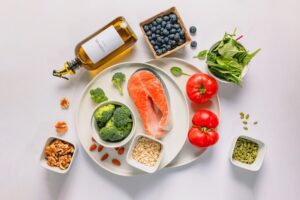

Polycystic Ovary Syndrome (PCOS) isn’t just a condition, it’s a journey. Affecting between 8–13% of women of reproductive age (Teede et al., 2018), it can impact fertility, hormones, metabolism, and overall health. For many women, PCOS feels like an uphill battle, but with the right strategies, challenges can truly become wins.
This PCOS Awareness Month, let’s dive into what PCOS really is, how nutrition and lifestyle can help manage it, and the role supplements and exercise can play in transforming your health.
How is PCOS Diagnosed?
PCOS is diagnosed using the Rotterdam Criteria (first established in 2003, reaffirmed in 2018, and updated in 2023/24). A diagnosis is made when at least two out of the following three features are present:
- Ovulatory dysfunction – irregular, infrequent, or absent periods.
- Clinical and/or biochemical hyperandrogenism – signs of high androgens such as acne, excess hair growth, or scalp hair thinning, or confirmed through blood tests.
- Polycystic ovarian morphology (PCOM) – traditionally identified via ultrasound, showing multiple small follicles.
The most recent update allows Anti-Müllerian Hormone (AMH) to be used as an alternative to ultrasound for identifying PCOM in adults ((with caveats).
This refinement makes diagnosis less invasive and more accessible, while ensuring that diagnosis remains evidence-based and accurate (Piltonen, T.T., et al. 2024)
The Unseen Link: PCOS and Insulin Resistance
One of the biggest drivers of PCOS is insulin resistance, when the body doesn’t respond properly to insulin, forcing the pancreas to produce more. This can lead to:
- Weight gain (especially around the midsection)
- Elevated testosterone levels
- Increased inflammation
- Symptoms like acne, irregular cycles, and cravings
Almost 85% of women with PCOS have some form of insulin resistance (Moran et al., 2013). This is why nutrition and lifestyle play such a central role in managing the condition.
Nutrition for PCOS
There is no “one-size-fits-all” diet for PCOS, but research shows that certain patterns of eating can make a big difference (Szczuko et al., 2021).
1. Carbohydrates & Insulin Resistance
Instead of cutting out carbs, focus on quality and timing:
- Choose low GI carbs like quinoa, oats, legumes, brown basmati rice, and wholegrain bread (Barrea et al., 2018).
- Spread carbs evenly across the day (don’t save them all for dinner).
- Pair carbs with protein and healthy fats to balance blood sugar.
2. Protein Power
Including protein at every meal helps with satiety, blood sugar balance, and muscle support. Examples: fish, chicken, eggs, Greek yogurt, legumes, tofu.
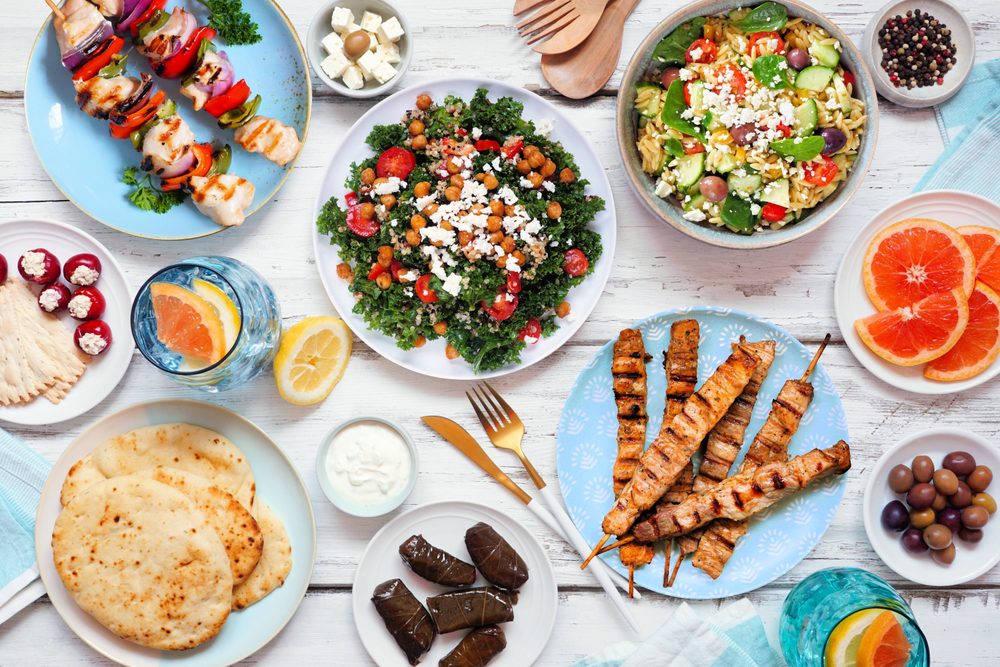
3. Mediterranean Diet
The Mediterranean diet has been shown to support fertility, lower inflammation, and improve heart health in women with PCOS (Muscogiuri et al., 2016). It emphasizes:
- Extra virgin olive oil
- Vegetables, fruits, and legumes
- Whole grains
- Oily fish like salmon, sardines, and mackerel
- Nuts and seeds
Weight Loss and PCOS: Why Small Wins Matter
For women with PCOS who are above a healthy weight, even a 5–7% weight loss can:
- Restore regular periods
- Promote ovulation
- Improve fertility
- Reduce insulin resistance and inflammation (De Sousa & Norman, 2016)
Instead of crash diets, focus on sustainable changes:
- A calorie deficit of 500–750 calories per day (guided by a dietitian).
- Prioritising protein and fibre-rich foods.
- Staying consistent rather than chasing perfection.
Supplements: Extra Support for PCOS
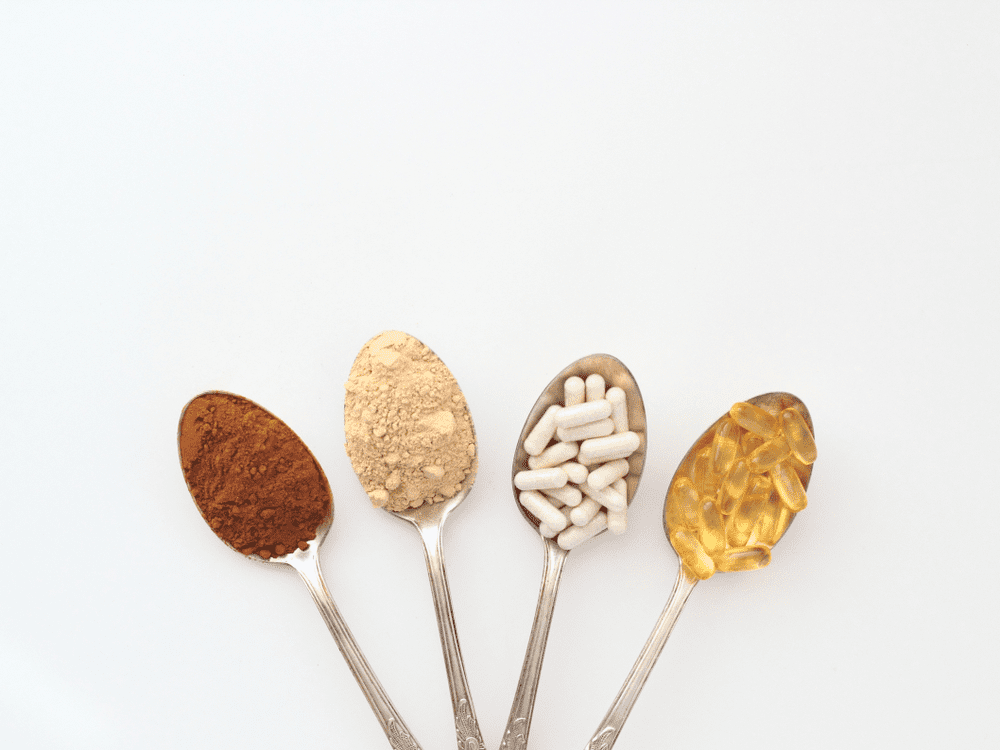
Supplements are not a replacement for diet and lifestyle but can be helpful tools. Always discuss these with a healthcare professional.
Evidence-based options include:
- Inositol – improves insulin sensitivity and ovulation
- Vitamin D – supports metabolism and lowers inflammation
- Omega-3 fatty acids – reduce inflammation and balance hormone
- Magnesium – improves insulin signaling
- Vitamin B12 – especially if taking Metformin
- NAC (N-acetyl cysteine) – supports ovulation and reduces testosterone
- Probiotics – support gut health, cholesterol, and insulin balance
Exercise: Your Natural Ally
Movement is a powerful tool for PCOS management. Aim for:
- 150 minutes of moderate exercise (brisk walking, swimming, cycling)
- 2–3 strength training sessions per week to improve insulin sensitivity and muscle mass
Exercise not only helps with weight management but also improves mood, reduces cravings, and supports fertility (De Sousa & Norman, 2016).
PCOS and Gut Health
Emerging research shows a connection between PCOS and gut health. Women with PCOS may have higher rates of IBS, and the gut microbiome can influence inflammation and insulin resistance (Shahid et al., 2022). Supporting gut health with fibre, probiotics, and fermented foods may be beneficial.
The Bottom Line: Turning PCOS Challenges Into Wins
Living with PCOS can feel overwhelming but it doesn’t have to define you. By focusing on balanced nutrition, lifestyle changes, targeted supplements, and consistent movement, you can manage symptoms, restore hormonal balance, and support long-term health.
Every small step counts. Whether it’s swapping white rice for brown basmati, adding protein to breakfast, or taking a 20-minute walk, you are building habits that will help you thrive with PCOS.
This PCOS Awareness Month, let’s focus on knowledge, empowerment, and turning challenges into wins.
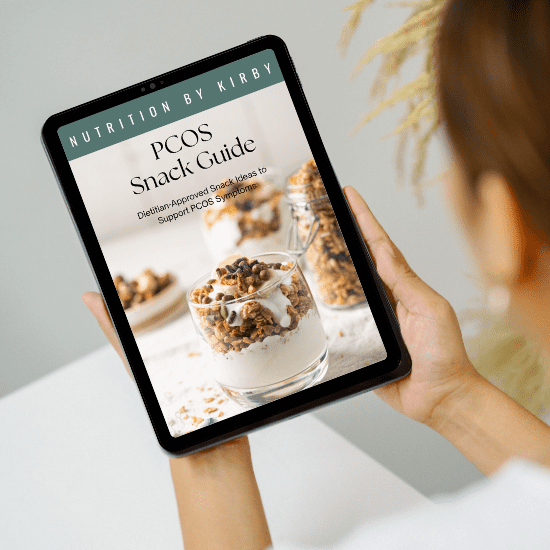
Free Download: PCOS Snack Guide
Looking for snack ideas that support your hormones, balance blood sugar, and fight cravings? I’ve created a free printable PCOS Snack Guide with dietitian-approved options to keep you energized and satisfied.