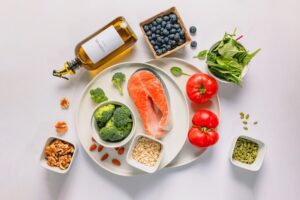

Chronic inflammation is often at the root of many long-term health conditions, from heart disease and type 2 diabetes to endometriosis and autoimmune issues. While inflammation plays an important role in the body’s natural healing process, when it sticks around for too long, it can start to do more harm than good.
The good news? What you eat every day can make a big difference. Let’s look at five everyday foods and food groups that may help reduce inflammation and support your overall health.
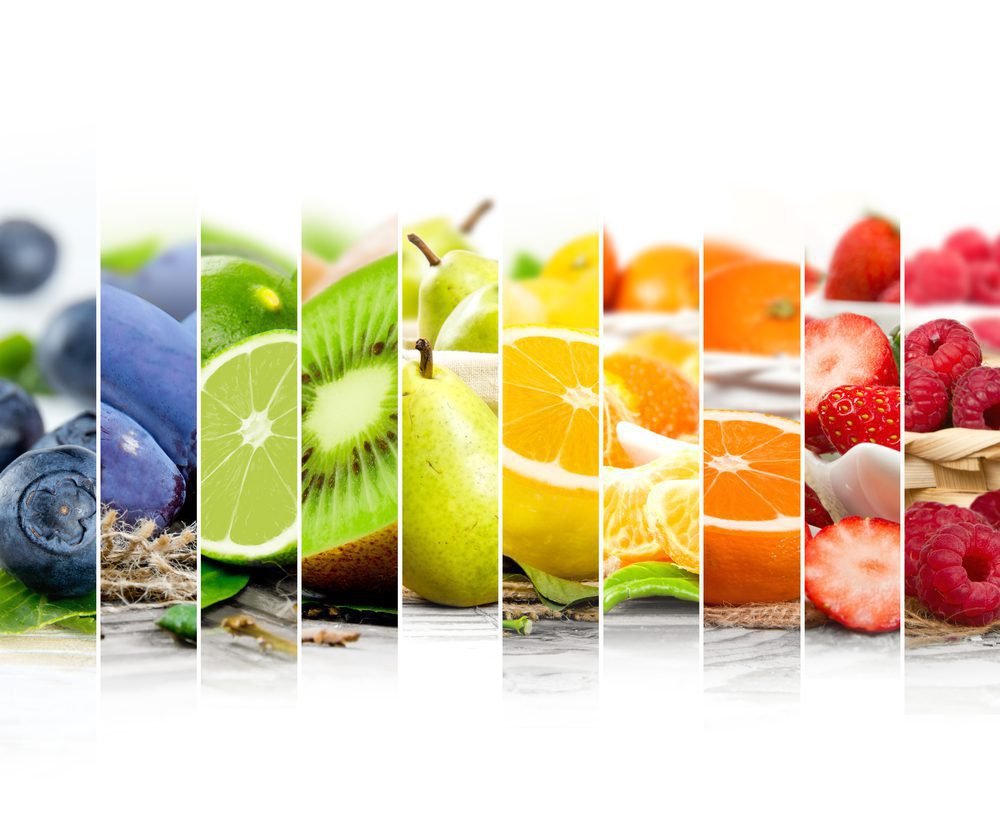
1. Eat the Rainbow
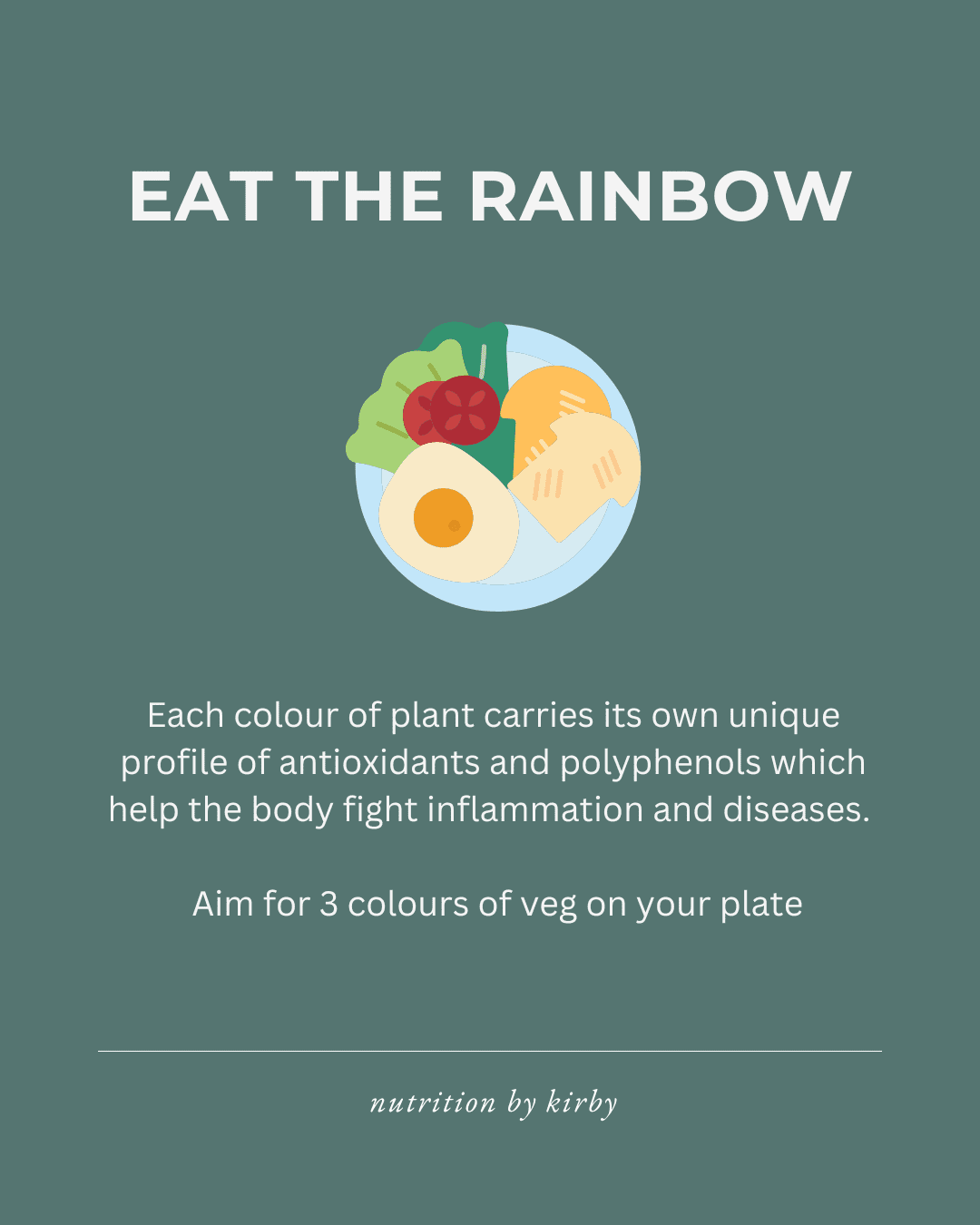
We’ve all heard the phrase, but what does it actually mean? Eating a wide variety of colourful fruit and veggies means you’re getting in a range of antioxidants, flavonoids, and polyphenols, all of which help protect the body from damage caused by oxidative stress and inflammation.
Free radicals are unstable molecules that can damage our cells and trigger inflammatory responses. Antioxidants help by stabilising these free radicals before they cause harm.
Different colours offer different benefits, so it’s worth checking what colours might be missing from your plate. Purple (like red cabbage or eggplant)? White (like onion, cauliflower or mushrooms)?
Aim for a mix of red, orange, yellow, green, blue/purple and white veg during the week. A rough target to aim for is 5 cups of raw veggies or 2.5 cups of cooked veggies daily. And don’t forget the fruit, especially darker varieties like berries and grapes.
Studies support the benefits of antioxidant-rich diets, showing they may help reduce risk factors for chronic diseases like cancer and cardiovascular disease (Griffiths et al., 2016).
2. Healthy Fats: Omega-3s & Extra Virgin Olive Oil (EVOO)
Not all fats are created equal. Healthy fats like those found in oily fish, flaxseeds, chia seeds, walnuts, extra virgin olive oil, and avocado have been shown to support anti-inflammatory pathways in the body.
Omega-3 fatty acids are particularly important. The typical Western diet is very high in omega-6 fats (often from processed oils) and too low in omega-3s, leading to an imbalance that can worsen inflammation (Simopoulos, 2002).
In conditions like endometriosis, the balance of certain hormones (prostaglandins) plays a role in pain and inflammation. Omega-3s can support the production of anti-inflammatory prostaglandins, which may help relieve symptoms (Djuric et al., 2017). Fish oil has also shown promise in reducing surgical adhesions in animal studies (Herington et al., 2014).
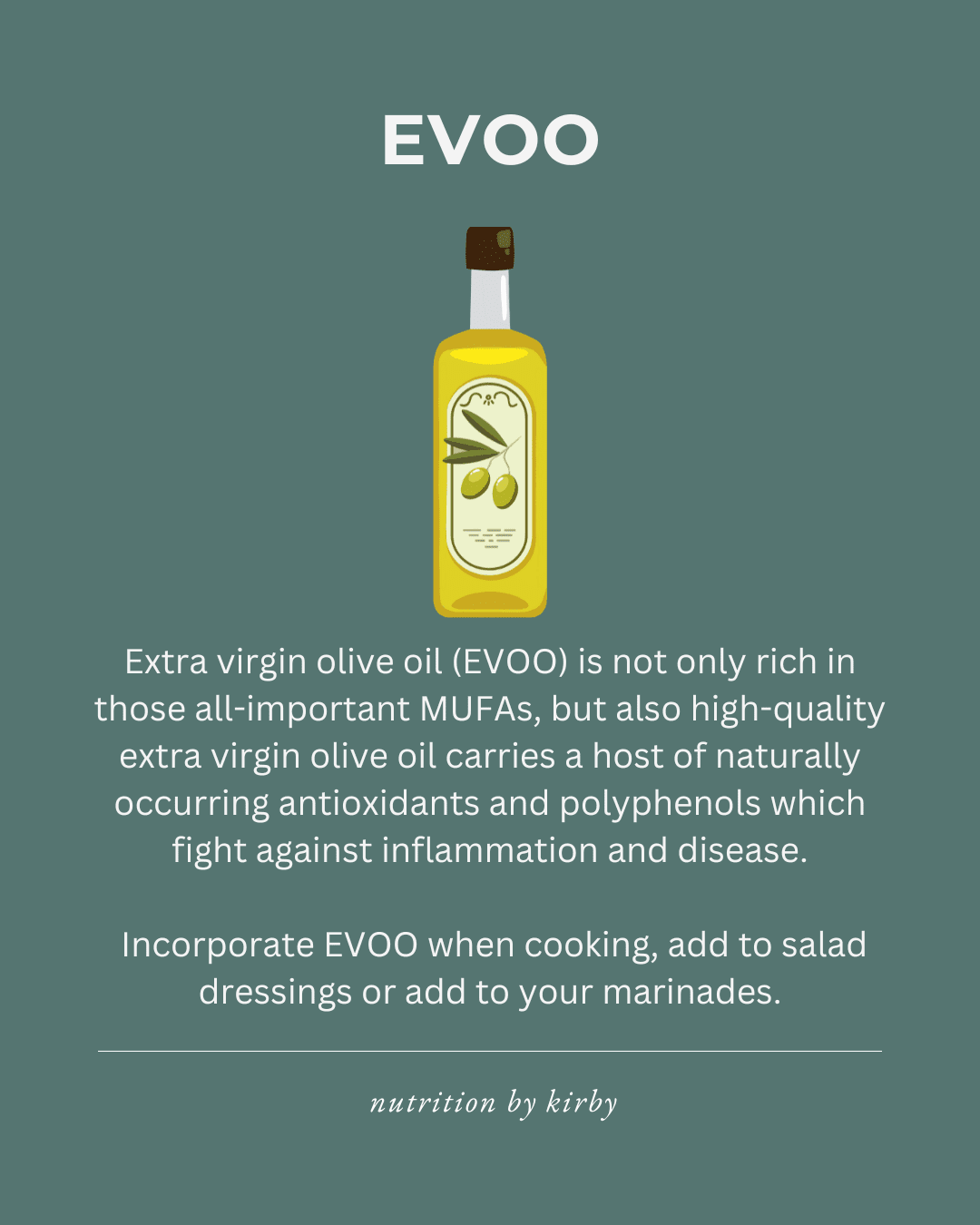
EVOO is another standout. Not only is it a good source of monounsaturated fats, but it also contains powerful plant compounds like polyphenols that help protect against oxidative stress and inflammation. You can read more about the science behind olive oil at The Olive Wellness Institute.
Speak to a healthcare provider or dietitian before starting any supplements.
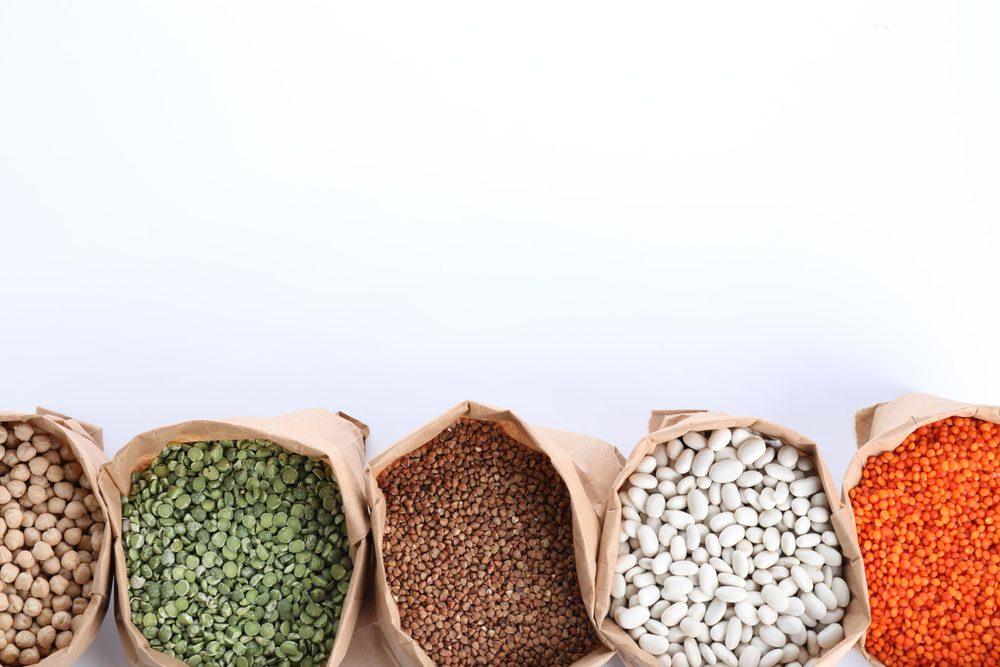
3. Legumes & Whole Grains
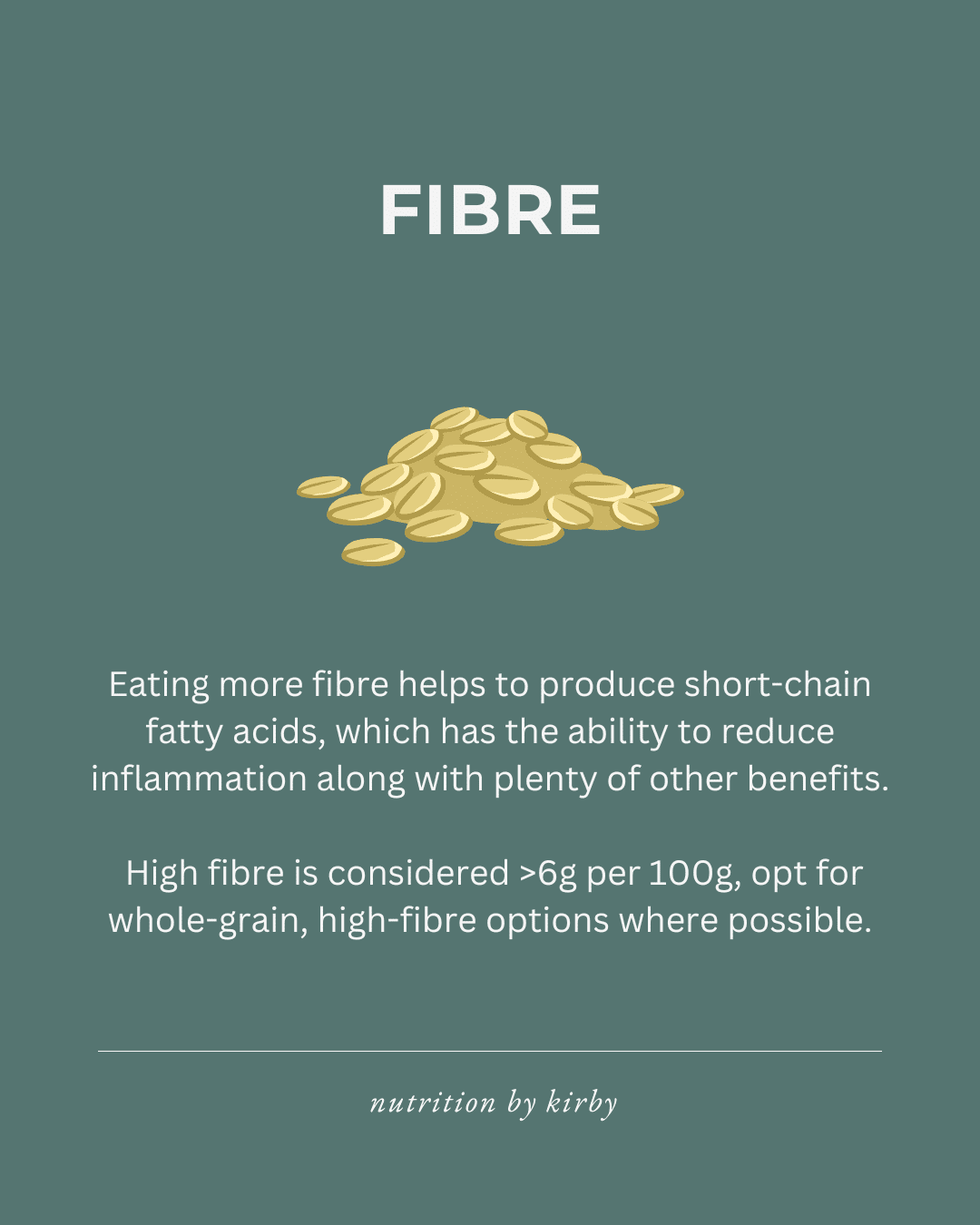
Wholegrains (like oats, quinoa, brown rice) and legumes (like lentils, chickpeas, black beans) are loaded with fibre, something many of us don’t get enough of.
Fibre is essential for healthy digestion, blood sugar control, hormone metabolism, and supporting the gut microbiome, all of which can play a role in inflammation management.
These foods also contain a mix of vitamins, minerals, and phytonutrients that support overall health. They’re a key part of traditional Mediterranean-style diets, which have been shown to reduce inflammatory markers and improve long-term health outcomes (Sureda et al., 2018; Casas et al., 2014).
4. Herbs & Spices
Pepper (which contains piperine), its absorption is significantly enhanced, by as much as 2000% (Shoba et al., 1998). Curcumin has been studied for its role in managing symptoms of arthritis and other inflammatory conditions (Daily et al., 2016).
Ginger is another favourite, with evidence showing it can help reduce inflammation in the body (Terry et al., 2011).
And it’s not just turmeric and ginger, herbs and spices like rosemary, cinnamon, garlic, and chilli all have something to offer. Research also suggests that populations with higher spice intake (like in India) may have lower rates of some chronic diseases, though more research is needed to confirm this (Kunnumakkara et al., 2018).
5. Dark Chocolate (Bonus!)
Yes, you read that right. Dark chocolate (at least 70% cacao) is packed with antioxidants and flavonols that may offer some anti-inflammatory benefits, as long as it’s enjoyed in moderation.
Some studies suggest that small amounts of good-quality dark chocolate may support heart health, reduce stress, and improve brain function.
Of course, it still contains added sugars and saturated fats, so it’s best treated as an occasional indulgence rather than a daily requirement. But if it helps you stick to your anti-inflammatory eating pattern, a few squares might be worth it.
Final Thoughts
There’s no single food that will reverse inflammation overnight, but your daily habits absolutely matter.
If you’re looking to support your body and lower inflammation through food:
- Prioritise colourful fruit and vegetables
- Include omega-3s and cook with EVOO
- Add legumes and wholegrains regularly
- Use plenty of herbs and spices
- And don’t feel guilty about the occasional square of dark chocolate
Small changes, done consistently, can go a long way in improving your overall health.